
The four programs

One continuous path, from first words to first day of school.

Four programs, four age bands, four colours. Each one has explicit learning goals, so you always know what your child is working on now — and what comes next.

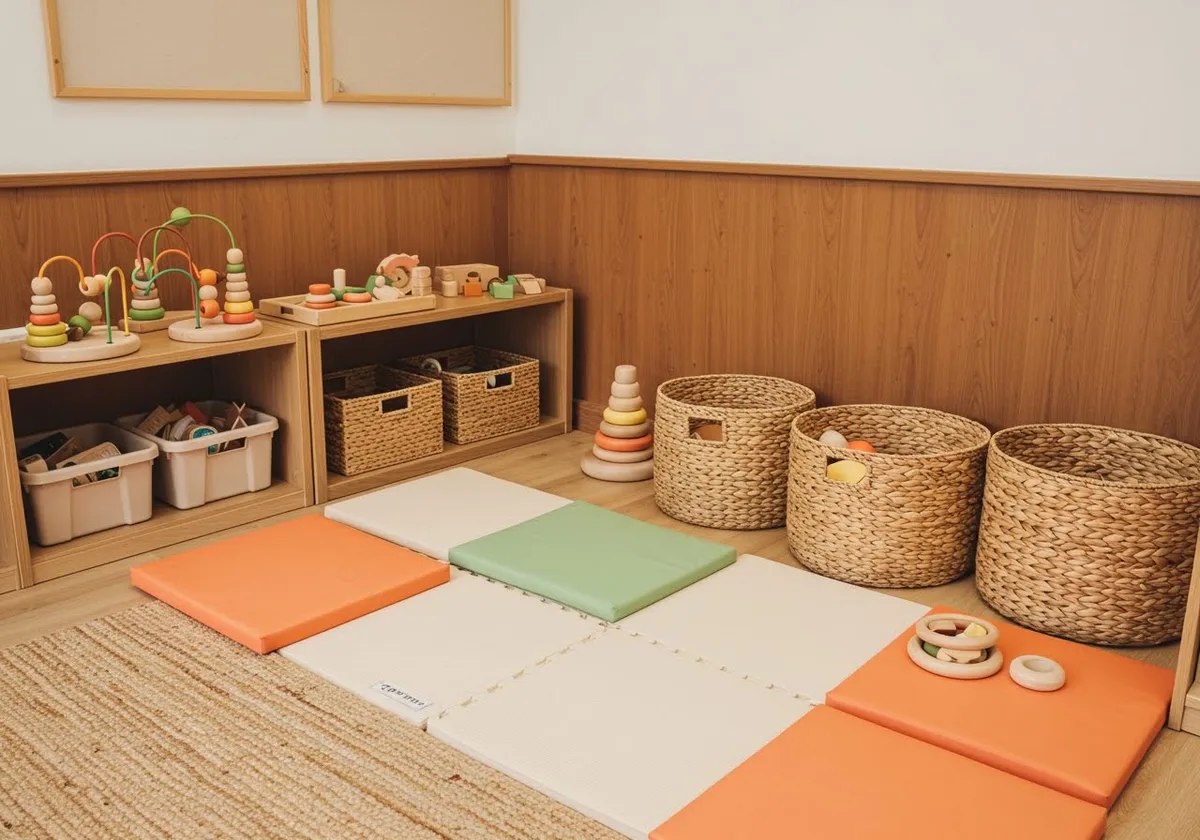
A toddler exploring a tray of textured sensory materials while an educator kneels alongside, naming each object out loud.

Toddler · Ages 1–2.5

Toddler Education Program

The first structured learning of a child’s life — delivered at a toddler’s pace, with a toddler’s attention span respected rather than fought.

Toddlers are not miniature preschoolers. They learn with their hands, their mouths and their whole bodies, in bursts, and they need a familiar adult close by while they do it. This program takes that seriously: short, repeated, purposeful activities inside a predictable daily rhythm, with an educator narrating, prompting and encouraging throughout.

What it covers

  • Early language. Naming, labelling, songs, repetition and back-and-forth talk that turn babble into words and words into short sentences.
  • Sensory learning. Texture, water, sand, sound and colour — hands-on exploration that builds the neural groundwork for later concepts.
  • Social interaction. Sharing a space, taking a turn, noticing another child’s feelings — the earliest social skills, gently coached.
  • Confidence-building. Small achievable challenges, celebrated, so a toddler learns that trying something new is safe.
  • Classroom routines. Tidy-up, circle time, hand-washing, sitting for a story — the rhythms that make the next program feel natural.

What your child gains

A bigger spoken vocabulary, the beginnings of self-regulation, comfort in a group of peers, and a first, secure sense of “this is what a learning day feels like.”
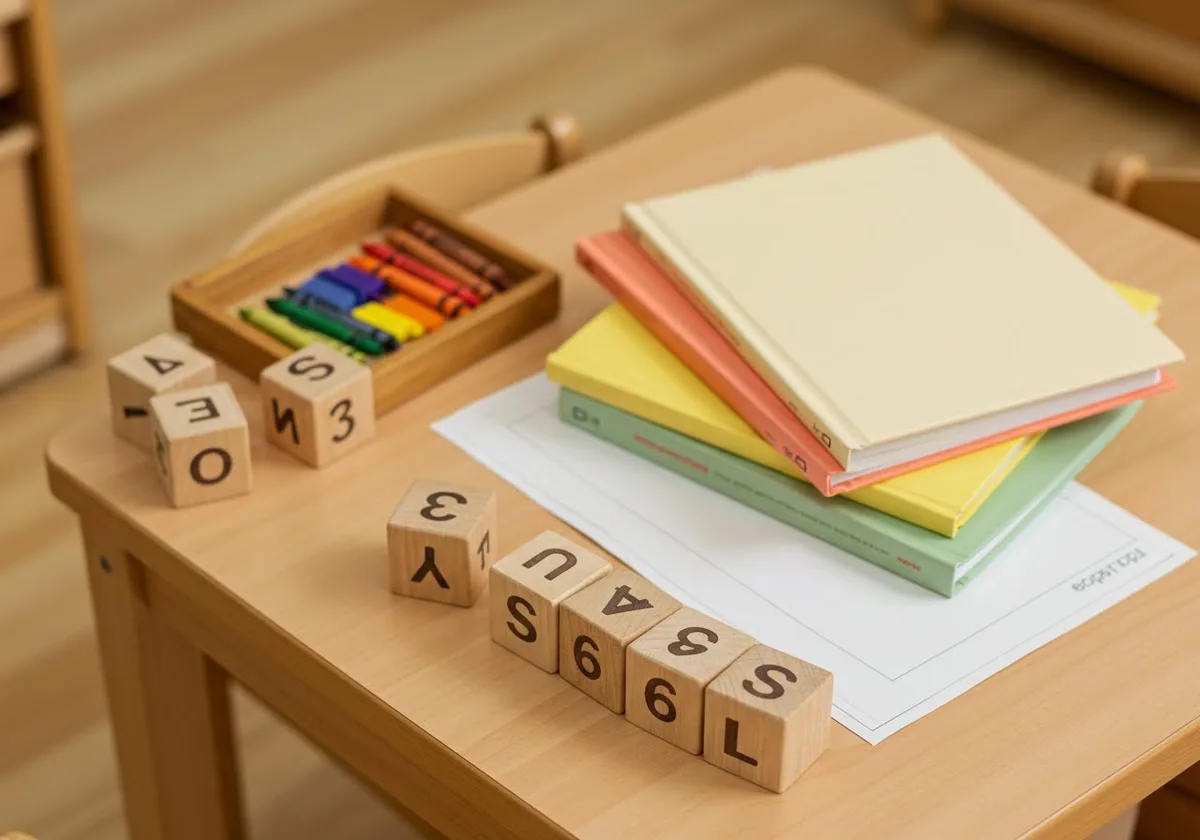
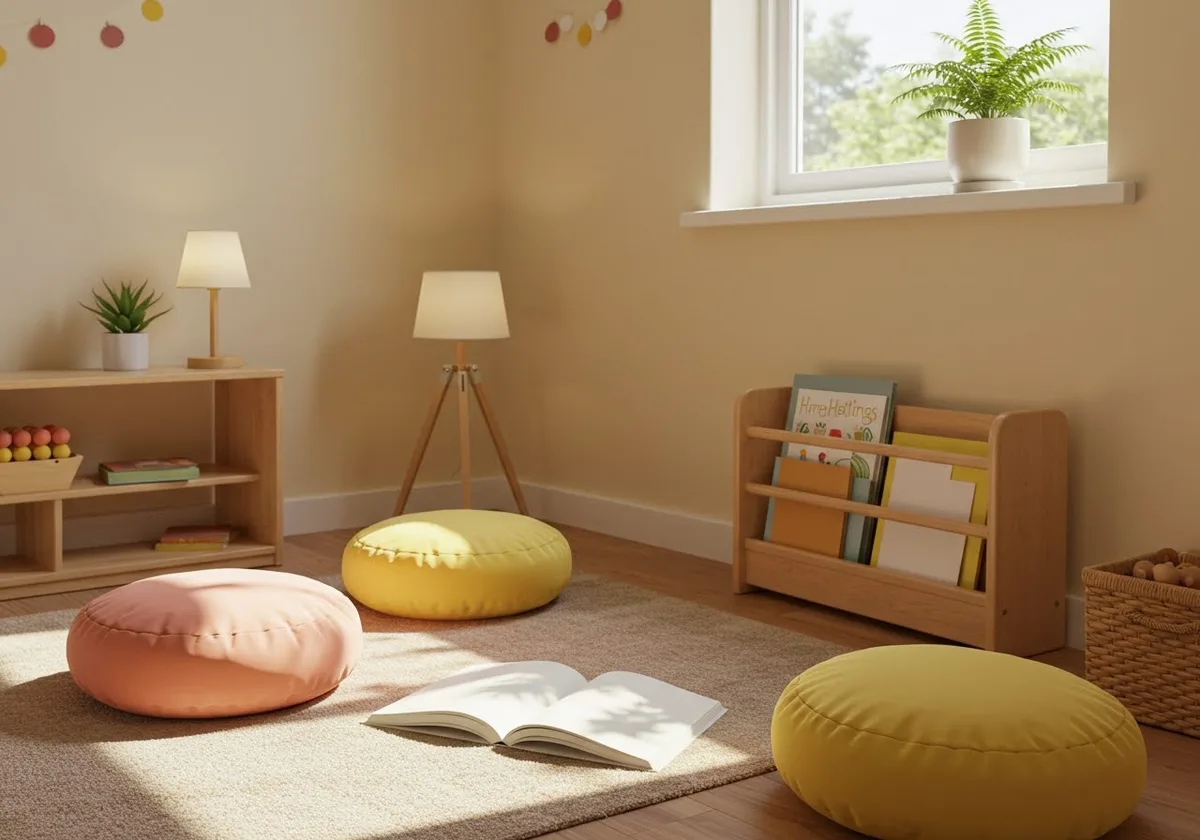
A preschool child tracing letters at a low table while an educator guides their hand during a small-group literacy session.

Readiness · Ages 3–5

Preschool & School Readiness Program

The bridge to kindergarten. A real classroom day, scaled to a four-year-old — so the first morning of school is familiar rather than frightening.

School readiness is not about drilling a child on the alphabet. It is about the whole package: the pre-skills, yes, but also the ability to listen in a group, follow a two-step instruction, sit through a task, ask for help and manage a transition without falling apart. We teach all of it, deliberately, on a routine that mirrors a real school day.

What it covers

  • Pre-literacy. Letter sounds and shapes, rhyme and rhythm, print awareness, story sequencing, and the fine-motor control that writing needs.
  • Numeracy readiness. Counting with meaning, sorting, matching, patterns, size and shape, and early one-to-one correspondence.
  • Communication skills. Speaking in a group, listening to a peer, answering a question, describing what they made and why.
  • Guided learning. Educator-led small-group work with a stated goal for each session, not open-ended free time.
  • Routine-based activities. Arrival, circle, work time, snack, outdoor, story, reflection — the shape of a school day, learned before it counts.

What your child gains

The pre-literacy and pre-numeracy foundations kindergarten assumes, plus the classroom behaviours that decide whether a child spends September learning or spends it adjusting.

Young children laughing together on a colourful classroom rug during a group storytelling and creative play session.

Play · Ages 0–5

Play-Based Learning & Development Activities

Play, with an educator’s intent behind it. This runs across every age band, because it is how young children learn best — when someone has thought about what the play is for.

Unstructured play keeps children happy. Guided play makes them capable. The difference is an educator who has set the materials out for a reason, who steps in with a question at the right moment, and who steps back the rest of the time. That is what happens here.

What it covers

  • Guided play. Play scenarios designed around a developmental goal — cooperation, problem-solving, language, motor control.
  • Storytelling. Shared books, retelling, puppets and made-up stories that build vocabulary, sequence and imagination.
  • Creative activities. Paint, collage, music, movement and building — expression plus fine and gross motor development.
  • Group interaction. Negotiating, sharing, leading, following, resolving a small dispute with words instead of hands.
  • Hands-on learning. Concepts learned by doing — pouring, stacking, sorting, measuring — not by being told.

What your child gains

Curiosity that stays switched on, richer language, better motor control, and the social confidence to join in — the traits that make every later program land harder.

Workshops · Parents & children 0–5

Parent & Child Early Learning Workshops

Guided sessions for parents together with their children aged 0–5 — so the learning that happens here carries on at your kitchen table.

Children spend far more hours with you than with us. A workshop is where we hand over the method: you sit in, you take part alongside your child, and you leave knowing exactly how to do the same thing at home — how to read a picture book so it builds vocabulary, how to turn snack time into counting, how to respond to a tantrum without escalating it.

What it covers

  • Guided sessions. An educator leads; you and your child do the activity together, then talk through what it was building.
  • Parents and children together. Not a lecture with the children parked elsewhere — the child is in the room, doing the work with you.
  • Ages 0–5. Sessions are matched to the developmental stage your child is actually at, right now.
  • Take-home method. Practical techniques for language, routine, play and early literacy that work in a real, busy home.
  • Newcomer-friendly. Welcoming to multilingual and newly-arrived families; your home language is an asset to your child, not a problem to fix.

What your child gains

Consistency. When the same approach is used at the centre and at home, progress compounds instead of resetting every evening.

At a glance

Which program is my child in?

Age bands guide the placement, but the child decides the pace. We place on readiness, not birthdays alone — and Play-Based Learning runs alongside everything.

The four Little Roots programs, their age bands and their focus.
Program Age band Core focus
Toddler Education Program Ages 1–2.5 Early language, sensory learning, social interaction, confidence-building, classroom routines
Preschool & School Readiness Program Ages 3–5 Pre-literacy, numeracy readiness, communication skills, guided learning, routine-based activities
Play-Based Learning & Development Activities Ages 0–5 Guided play, storytelling, creative activities, group interaction, hands-on learning
Parent & Child Early Learning Workshops Parents with children 0–5 Guided sessions for parents and children together, extending the method into the home

Not sure where your child fits? Tell us their age and where they are with language and routine, and we will tell you honestly. Call +1 (437) 559-2990 or email info@littlerootslearning.ca.

Enrolment is open

Find the right program for your child.

Book a visit and we’ll match your child to the right program, walk you through the daily routine, and talk through the plan — full-time, part-time, sibling or preschool-readiness — that fits your family.