Curriculum & method

Every day is planned. Every child is observed. Every parent is told.

Our curriculum is not a timetable of activities to fill the hours. It is a set of developmental goals, taught through structure and guided play, measured by regular observation, and reported to you in plain language.

The curriculum

Care and curriculum are not two separate jobs.

In a lot of settings, “care” and “learning” are treated as different halves of the day — a bit of teaching, then a lot of supervision. We reject that split. At Little Roots, the care is the curriculum: snack time is language and self-help skills, tidy-up is sequencing and responsibility, the walk to the coat hooks is a transition being practised.

Underneath the warmth there is a plan. Each program has explicit developmental goals across language, early literacy and numeracy, motor skills, social-emotional growth and self-regulation. Educators plan sessions against those goals, run them inside a predictable daily rhythm, and record what each child actually did.

What a day is built from

  • A predictable rhythm. Arrival, circle, focused learning, guided play, snack, outdoor time, story, rest, reflection. Children settle when they know what comes next.
  • Guided learning blocks. Small-group, educator-led work with a stated goal — not a room full of children left to their own devices.
  • Purposeful play. Materials set out deliberately; an educator who knows when to ask a question and when to say nothing at all.
  • Observation, as it happens. Educators note what a child attempted, mastered or avoided — while it is fresh, not from memory at 6pm.
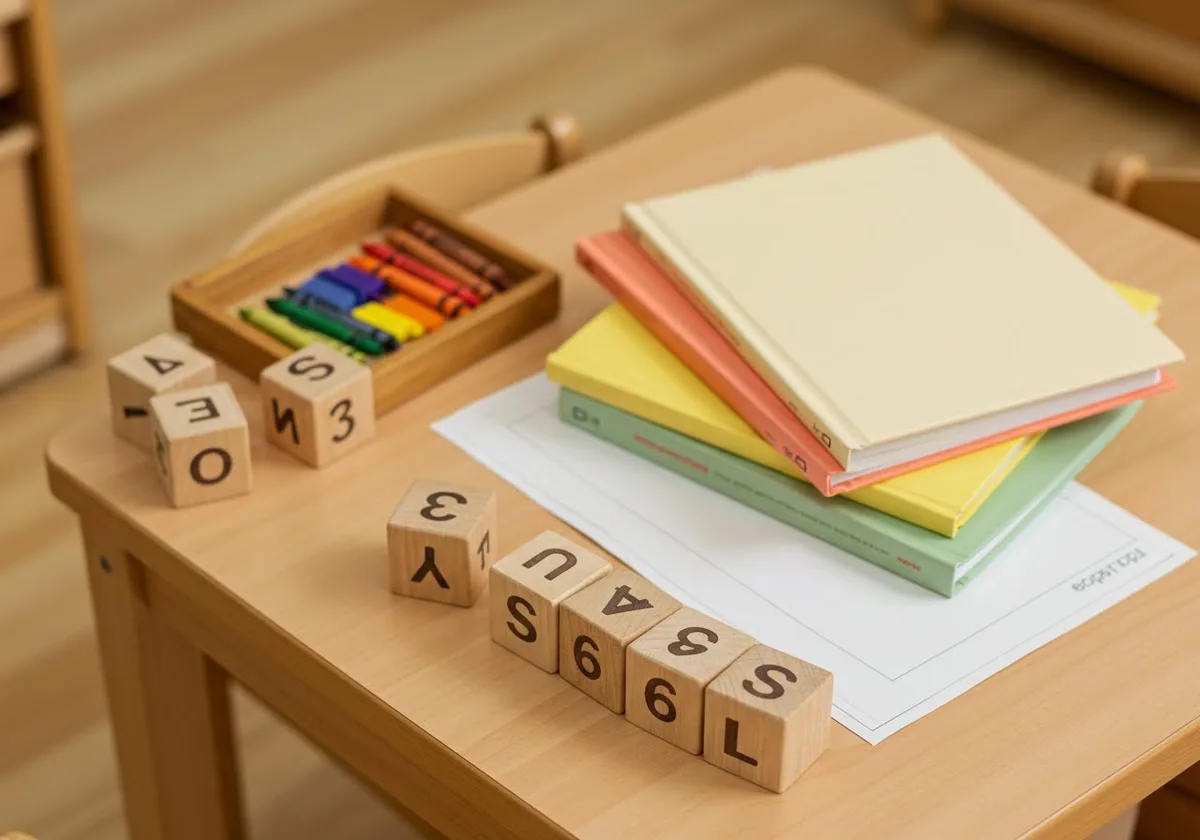
An educator guiding a preschool child's hand as they trace letters at a low table, while other children work nearby in a small guided-learning group.

A guided-learning block in the Preschool & School Readiness Program.

The four pillars

Four pillars hold the whole thing up.

Remove any one of them and you are back to a daycare with good intentions. Together they are what makes Little Roots an education centre.

Integrated Care and Learning

Warm, attentive care and a real curriculum are delivered as one thing, not two. A child who feels safe learns; a child who is learning feels capable. So the educator who comforts your toddler is the same educator running the language goal five minutes later — and both are on the plan.

In practice: every routine moment — hand-washing, snack, tidy-up, transitions — carries a developmental objective, and educators know what it is.

School Readiness Program

Kindergarten assumes a child arrives with certain foundations: some pre-literacy and pre-numeracy, but above all the classroom habits — listening in a group, following a two-step instruction, taking a turn, managing a transition, asking for help. We teach all of it deliberately.

In practice: a daily routine that mirrors a real school day, so September is a familiar place rather than a shock.

Child Progress Tracking

Development is observed and recorded on a regular cycle, against the goals of the child’s program — language, early literacy and numeracy, fine and gross motor skills, social interaction, confidence and self-regulation. Growth becomes documented fact instead of a hopeful impression.

In practice: ongoing written observations by the educators who work with your child, consolidated into a progress summary you actually receive.

Parent Involvement System

Parents are not an audience for their child’s education; they are half of it. So communication here is a system, not a rushed sentence at the door: regular updates, progress conversations, and the Parent & Child Early Learning Workshops that put the method in your hands.

In practice: structured updates, a scheduled conversation about the progress summary, and an open channel to the centre between times.

Progress tracking, step by step

How we observe your child — and how you hear about it.

“They had a good day” is not a progress report. Here is the actual loop, from what an educator notices in the room to what lands in front of you.

  1. Goals are set for the program and the child

    Each program carries developmental goals across language, early literacy and numeracy, motor skills, social interaction and self-regulation. Where a child needs a different pace or emphasis, that is noted from the start — and at enrolment you tell us what you are seeing at home.

  2. Educators observe in the room, as it happens

    Observation is part of the job, not an afterthought. Educators record what a child attempted, what they mastered, what they avoided and what they needed help with — in the moment, in short written notes, against the goals above.

  3. Observations are consolidated on a regular cycle

    Individual notes are pulled together into a picture of the child over time: where the movement is, where progress has stalled, and where a small adjustment in how we teach would help. This is where a pattern becomes visible that a single day would never reveal.

  4. You get a progress summary in plain language

    Not jargon, not a grade. A clear statement of what your child can now do that they could not do before, what they are working on next, and anything we think is worth watching — written so it makes sense to a parent, not to an inspector.

  5. We talk it through with you

    A summary you never discuss is just paper. We schedule a conversation so you can ask questions, tell us what you are seeing at home, and agree what we will each work on. Your view of your child is evidence too.

  6. The plan adjusts — and the loop starts again

    What we learn from the summary and the conversation changes what happens in the room next term: a different grouping, more time on a skill, a workshop that targets exactly the thing your child is stuck on. Then we observe again.

Between formal summaries you are never locked out: questions about your child go to info@littlerootslearning.ca or +1 (437) 559-2990, and we answer them properly.

What it adds up to

What a child leaves Little Roots with.

  • Foundations, not tricks

    Real pre-literacy and numeracy readiness — sounds, shapes, patterns, counting with meaning — rather than memorised performances for visiting adults.

  • A child who knows how school works

    Listening in a group, taking a turn, following instructions, coping with a transition, asking for help. The habits that decide how the first year of school actually goes.

  • Evidence of the journey

    A documented record of your child’s development across their time here — so you can see the growth, not just take our word for it.

Enrolment is open

Ask us hard questions about how we teach.

Book a visit and we’ll walk you through a real day, show you how observations are recorded, and explain exactly what you would receive and when.